
Rough, Final, Touch-Up: The Three Phases of Post-Construction Cleaning
Post-construction cleaning happens in three distinct phases. Here is what each covers and why compressing them into one causes problems.
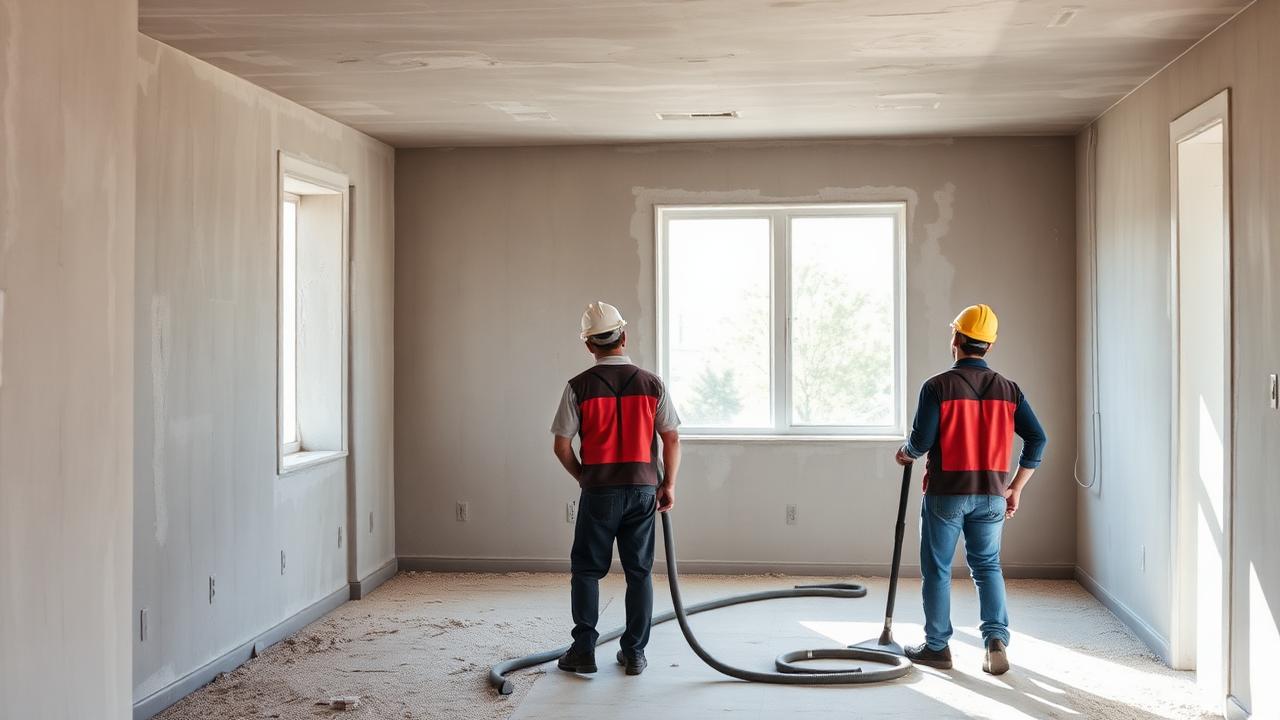
Post-construction cleaning gets scheduled as a single task at the end of a project more often than it should. It is actually three separate operations with different scopes, different timing, and different consequences when skipped.
Compressing them into one final clean is the most common reason a turnover slips at the last minute.
Phase one: rough clean
The rough clean happens after framing, mechanical, electrical, and plumbing rough-in, and generally before finishes go in. The goal is debris removal and creating a workable site, not appearance.
This means removing construction debris and packaging, sweeping and vacuuming the substrate, clearing window and door openings, and removing material that would otherwise be sealed behind finishes. Trades work faster and cleaner in a cleared space, and debris removed now is debris that does not get ground into a new floor later.
Skipping the rough clean is a false economy. The material does not disappear. It gets embedded in finishes and costs more to remove afterward.
Phase two: final clean
The final clean is the substantive phase and the one that consumes the most labor. It happens after finishes are installed and trades are substantially complete.
Scope includes removing construction dust from every surface including above eye level, cleaning interior and exterior glass and removing stickers and labels, detailing frames, sills, tracks, and hardware, cleaning fixtures and casework inside and out, removing adhesive residue and paint overspray, cleaning and initial finishing of floors according to the material, and cleaning HVAC diffusers and grilles.
Construction dust is the defining challenge. It is fine, it settles everywhere, and it becomes airborne again the moment anyone disturbs it. Cleaning has to proceed top down and be repeated, which is why a single pass rarely produces a finished result.
Phase three: touch-up clean
The touch-up happens immediately before handover, after punch list corrections are complete. Punch work reintroduces dust, fingerprints, and debris, so a space cleaned before punch work is not clean at handover.
Scope is glass and mirrors again, all touched surfaces, floors, restrooms, and anything the punch trades disturbed. It is a short phase and it is the one the client actually sees.
Scheduling realities that cause problems
Floors need material-specific handling
New flooring is often damaged during the final clean rather than during construction. Grout haze on tile, adhesive residue on resilient flooring, and improper first cleaning of new stone or terrazzo are all common. Each material has manufacturer guidance for initial cleaning, and following it protects both appearance and warranty.
New stone and terrazzo in particular should not receive general-purpose cleaners. Acidic products etch on first contact.
Highland handles all three phases
We provide rough, final, and touch-up cleaning for new builds and renovations across New York City, Westchester, and Long Island, and we can also handle first finishing of new stone and terrazzo floors so they start their service life correctly.
Call 516-361-3511 to schedule around your construction timeline.
Post-Construction Cleanup
Serving NYC, Westchester, and Long Island. Request an on-site walkthrough and we will put a written scope together for your building.