
What Class A Office Cleaning Should Include, and What Most Contracts Miss
Class A buildings need more than a standard janitorial scope. Here is what should be in the contract and where most agreements leave gaps.
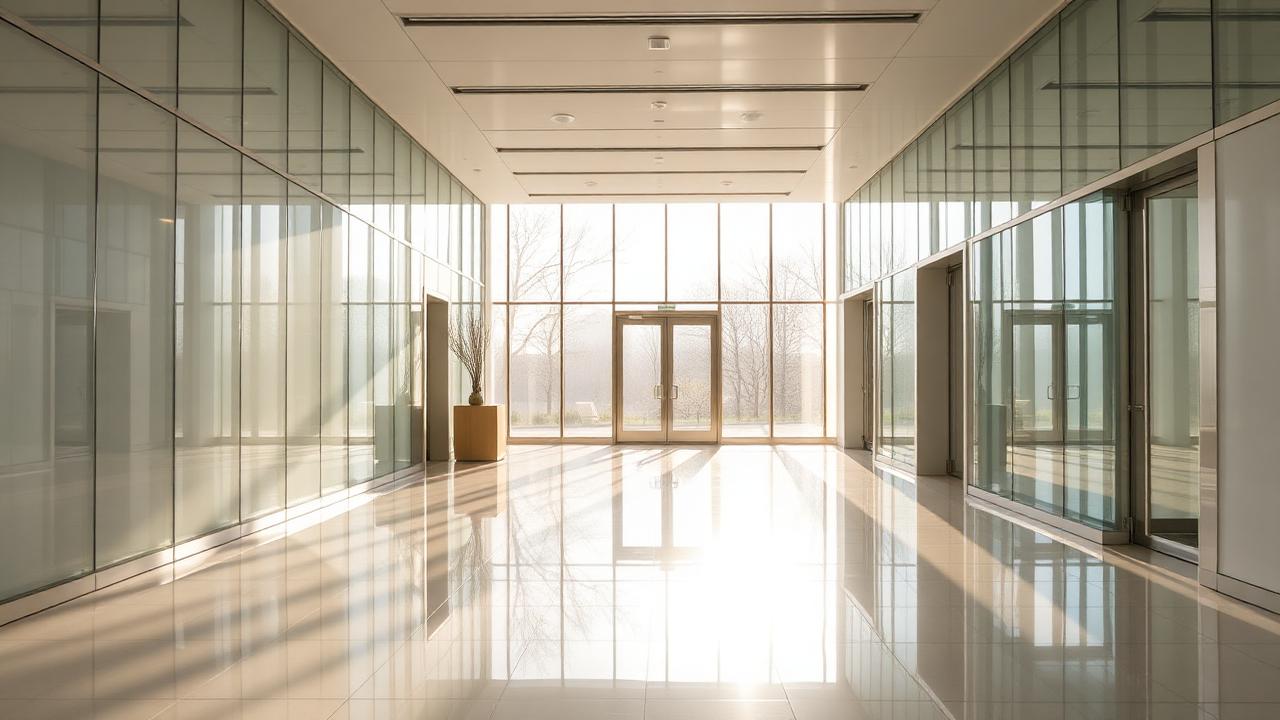
A Class A building is sold on the experience of walking into it. The lobby stone, the elevator cab finishes, the glass, the absence of anything that reads as neglected. Tenants pay a premium for that impression, and it is maintained or lost by a cleaning program that either accounts for the finishes or does not.
Most janitorial contracts are written for square footage and frequency. Class A buildings need a scope written for materials, sightlines, and timing.
The lobby is a different asset class
Lobby stone is the most expensive surface in the building per square foot and the most frequently damaged by routine cleaning. Marble, limestone, and terrazzo are all vulnerable to acidic cleaners, aggressive pads, and standing water. Damage is cumulative and invisible month to month, which is why buildings discover it two years in when the floor has gone flat and hazy under the light.
A Class A scope should name the floor material, name the products approved for it, and specify a maintenance frequency separate from general floor cleaning. Polishing and burnishing schedules belong in the contract, not in a change order after the damage is visible.
Glass, metal, and the details tenants notice
Entry glass, elevator cab panels, stainless and bronze hardware, and signage are the surfaces at eye level in the moments that form an impression. They also show fingerprints within hours.
Nightly cleaning cannot solve a problem that regenerates during the day. This is the argument for day porter coverage, and it is why Class A buildings almost always run both a night crew and a daytime presence.
Restrooms are a retention issue
Tenant complaints in office towers cluster in restrooms more than anywhere else, and the complaints are rarely about cleanliness at 6 a.m. They are about supplies at 2 p.m., a fixture that has been out for three days, and odors in a specific corner that nightly cleaning does not reach.
A scope that addresses this includes midday checks with defined frequency, a restocking standard, a documented process for reporting maintenance issues, and periodic deep cleaning of grout and fixtures on a schedule rather than on complaint.
What contracts commonly leave out
Access, timing, and security
In a multi-tenant tower, the operational constraints are as important as the task list. Which floors can be cleaned when. How tenant suites with restricted access are handled. How keys and credentials are controlled. Whether staff are background-screened to the standard your tenants require. Whether the vendor's insurance meets the building's certificate requirements without an exception.
These are the items that create friction after award if they were not settled before it.
Quality control that is more than a signature
Inspection programs work when they are specific and consistent. A useful program defines what is inspected, on what schedule, by whom, against what standard, and what happens when something fails. A monthly walkthrough with a property manager and a supervisor produces more improvement than any checklist filed without discussion.
Highland cleans buildings that are judged on appearance
We provide Class A office cleaning across New York City, Westchester, and Long Island, including stone and terrazzo floor care handled in house rather than subcontracted. Our scopes are written for the building's finishes and the tenant experience, not for generic square footage.
Call 516-361-3511 or request an on-site walkthrough and written proposal.
Class A Office Cleaning
Serving NYC, Westchester, and Long Island. Request an on-site walkthrough and we will put a written scope together for your building.
Day Porter or Night Crew: Choosing the Right Coverage Model for a Multi-Tenant Building
Day porters and night crews solve different problems in a commercial building. Here is how to decide what your property actually needs.
ReadHow Building Cleanliness Affects Tenant Retention in Westchester Office Buildings
Cleanliness is one of the few tenant experience factors a landlord fully controls. Here is how it shows up in renewal conversations.
Read